


10/1, Valasaravakkam, Chennai



Accurate diagnosis is the foundation of effective medical treatment. Modern radiology plays a vital role in identifying diseases, monitoring health conditions, and guiding treatment decisions through advanced imaging technologies. Choosing the best radiologist in Chennai ensures precise image interpretation and timely diagnosis for patients of all ages.
Radiologists are medical specialists trained to interpret medical images such as ultrasound, X-rays, MRI scans, CT scans, mammograms, and Doppler studies. They work closely with physicians across multiple specialties, including obstetrics, gynecology, orthopedics, cardiology, oncology, pediatrics, and general medicine, to support accurate diagnosis and patient care.
Whether you need a routine health screening, pregnancy ultrasound, evaluation of joint pain, or advanced imaging for complex medical conditions, experienced radiologists provide detailed assessments that help guide appropriate treatment.
This guide explains the role of a radiologist, imaging services available, common conditions evaluated, and how to choose the best radiologist in Chennai.
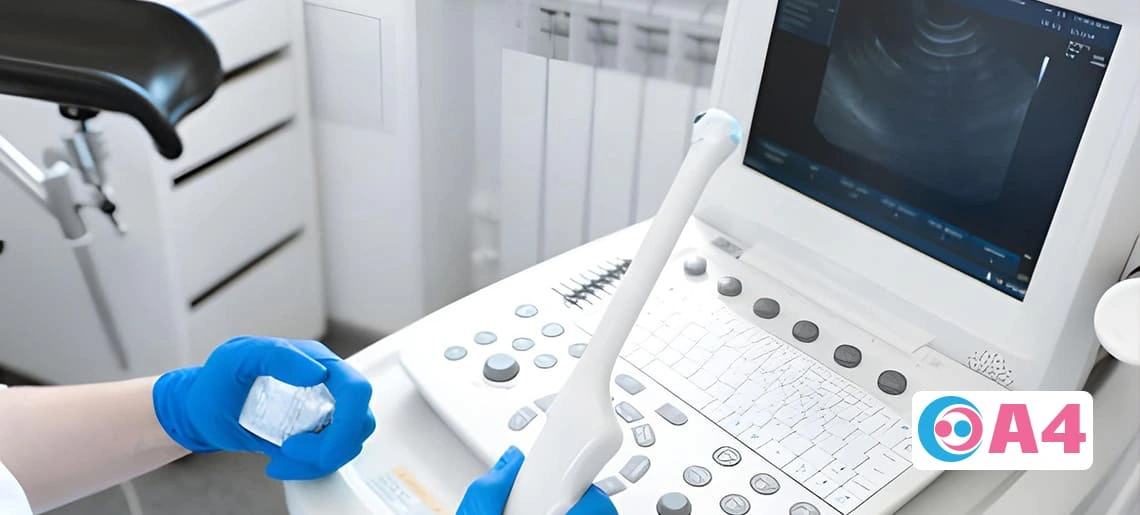
A radiologist is a medical doctor who specializes in diagnosing diseases and injuries using medical imaging technologies. After reviewing imaging studies, the radiologist prepares detailed reports that help treating doctors make informed clinical decisions.
Radiologists interpret a wide range of imaging tests, including:
Their expertise is essential for detecting abnormalities that may not be identified through physical examination alone.
“I was admitted for a D&C procedure due to my miscarriage. I did not experience any pain after the procedure. I felt very safe throughout my stay, and everyone was extremely kind. Every procedure was carried out smoothly and with great care. My special thanks go to Dr. Nithya Shyam—she was very kind and compassionate. I would also like to thank the entire team who took such good care of me. And Nurse Poongavanam was very kind, care and sweet. Thank you to her as well.”

Medical imaging allows healthcare providers to look inside the body without surgery, helping diagnose conditions accurately and monitor treatment progress.
Radiology supports healthcare by:
Timely imaging often leads to earlier diagnosis and more effective treatment.
Experienced radiologists provide comprehensive diagnostic imaging services for patients across different medical specialties.
Ultrasound uses sound waves to create real-time images of internal organs and tissues.
Common ultrasound examinations include:
Ultrasound is widely used because it is non-invasive and does not use ionizing radiation.
Radiologists work closely with obstetricians and fetal medicine specialists to monitor pregnancy.
Common pregnancy scans include:
These scans help monitor fetal growth, development, placental function, and overall pregnancy health.
X-rays are commonly used to evaluate:
They provide quick and valuable information for many medical conditions.
MRI provides detailed images of soft tissues without using ionizing radiation.
It is commonly used to evaluate:
MRI is especially useful for diagnosing neurological and musculoskeletal conditions.
CT scans combine multiple X-ray images to create detailed cross-sectional images of the body.
CT imaging is commonly used for:
Doppler ultrasound evaluates blood flow through arteries and veins.
It may be recommended for:
Radiologists help diagnose and monitor many medical conditions, including:
Routine ultrasound scans assess fetal growth, placental position, amniotic fluid, and overall pregnancy development.
Mammography and breast ultrasound help evaluate breast lumps, pain, and other breast-related concerns.
Imaging assists in diagnosing:
Ultrasound and CT scans help evaluate:
MRI and CT imaging help evaluate:
Radiology plays an essential role in women's healthcare by supporting the early detection, diagnosis, and monitoring of various conditions. Imaging services are also important throughout pregnancy and reproductive health.
Common women's imaging services include:
These imaging techniques help healthcare providers diagnose conditions accurately and plan appropriate treatment.
Breast imaging is an important part of preventive healthcare and the evaluation of breast-related symptoms.
Radiologists may recommend imaging for:
Depending on the clinical situation, breast imaging may include mammography, breast ultrasound, or other specialized studies.
Early evaluation supports timely diagnosis and appropriate management.
Medical imaging is often used as part of preventive health check-ups, particularly for individuals with risk factors or symptoms that require further evaluation.
Screening may include:
These investigations help identify certain conditions at an earlier stage, allowing timely medical attention when needed.
In some situations, radiologists assist other healthcare professionals by using imaging to guide minimally invasive diagnostic or therapeutic procedures.
Examples include:
These procedures are performed only when clinically indicated and help improve precision while minimizing unnecessary tissue damage.
The imaging process varies depending on the type of test being performed.
In general, you can expect:
Some imaging studies may require fasting, a full bladder, or contrast material. Your healthcare team will provide instructions beforehand if needed.
Many patients are concerned about the safety of imaging tests.
The type of imaging recommended depends on your medical condition and the clinical information required.
Radiology departments follow established safety protocols to use the lowest appropriate radiation dose while maintaining image quality.
If you are pregnant or think you may be pregnant, always inform your healthcare provider before undergoing any imaging examination.
Choosing the right radiologist contributes to accurate diagnosis and better treatment planning.
Consider the following factors:
Select a radiologist with recognized medical qualifications and experience in diagnostic imaging, including ultrasound, MRI, CT, and women's imaging.
Hospitals equipped with modern imaging systems can provide high-quality images that support more accurate interpretation.
Radiologists who work closely with obstetricians, gynecologists, pediatricians, surgeons, orthopedicians, cardiologists, and physicians help ensure coordinated patient care.
Prompt and detailed radiology reports assist treating doctors in making informed clinical decisions without unnecessary delays.
A good radiology department provides clear instructions, answers patient questions, and prioritizes comfort throughout the imaging process.
Modern imaging technologies offer numerous advantages in patient care.
Benefits include:
Preparing for your imaging study can help ensure a smooth experience.
Before your appointment:
Radiology is an essential part of modern healthcare, helping doctors diagnose diseases accurately, monitor treatment progress, and guide clinical decisions. Whether you require a routine ultrasound, pregnancy scan, MRI, CT scan, X-ray, Doppler study, or specialized women's imaging, choosing the best radiologist in Chennai ensures accurate interpretation and comprehensive diagnostic support.
Experienced radiologists combine clinical expertise with advanced imaging technology to provide timely, reliable reports that support better health outcomes. Regular communication between radiologists and your treating specialists helps ensure that every imaging result contributes to personalized, high-quality patient care.
A radiologist is a medical doctor who specializes in interpreting medical images such as X-rays, ultrasound, MRI, CT scans, mammograms, and Doppler studies to help diagnose and monitor various medical conditions.
A radiographer (or imaging technologist) performs the imaging examination, while a radiologist interprets the images, prepares the diagnostic report, and discusses findings with the referring doctor when necessary.
Ultrasound is widely used during pregnancy because it uses sound waves rather than ionizing radiation. Your healthcare provider will recommend scans when they are clinically appropriate.
The duration depends on the area being examined, but many MRI scans take approximately 20 to 60 minutes.
Yes. CT scans use ionizing radiation. They are recommended only when the expected clinical benefit outweighs the potential risks and are performed using established safety protocols.
Some abdominal ultrasound examinations require fasting, while others do not. Follow the preparation instructions provided by your healthcare provider or imaging center.
Some metal implants may affect MRI safety or image quality. Always inform the radiology team about any implants, pacemakers, or medical devices before your appointment.
The reporting time varies depending on the type and complexity of the imaging study. Your healthcare provider or imaging center will inform you when the report will be available.