

10/1, Valasaravakkam, Chennai



A woman's health needs change throughout different stages of life—from adolescence and reproductive years to pregnancy, menopause, and beyond. Consulting the best gynaecologist in Chennai ensures you receive expert guidance, timely diagnosis, and personalized treatment for a wide range of gynecological and reproductive health concerns.
A gynaecologist specializes in diagnosing, treating, and preventing conditions affecting the female reproductive system. Whether you need routine health check-ups, pregnancy care, treatment for menstrual disorders, fertility evaluation, or menopause management, an experienced gynaecologist can help you maintain your overall health and well-being.
Regular gynecological consultations are essential not only when symptoms occur but also for preventive healthcare. Early detection and timely treatment can improve outcomes for many common women's health conditions.
This guide explains the role of a gynaecologist, when to seek medical advice, common conditions treated, and how to choose the best gynaecologist in Chennai for your healthcare needs.
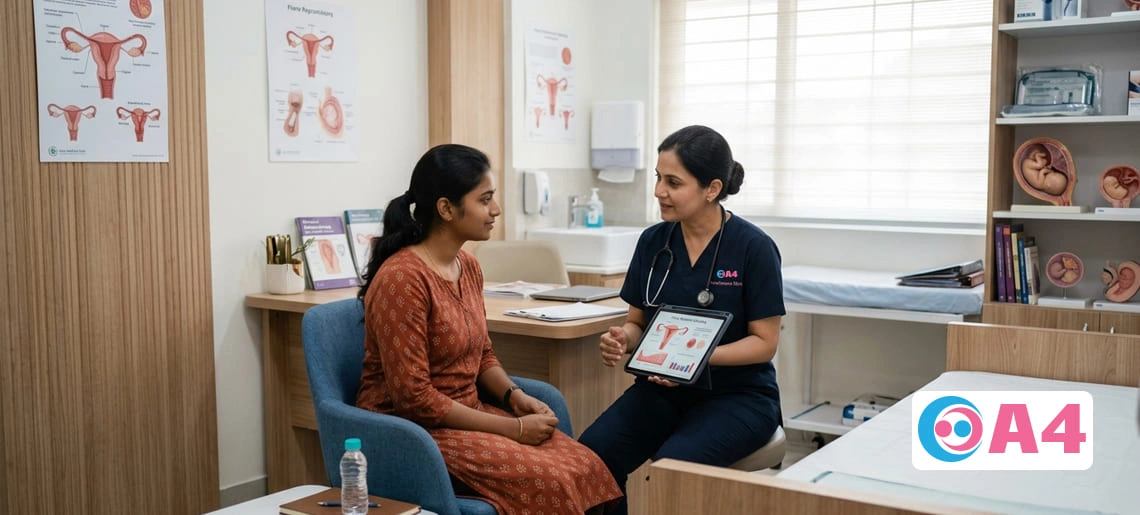
A gynaecologist is a medical doctor specializing in the diagnosis, treatment, and prevention of disorders affecting the female reproductive system.
Many gynaecologists are also trained as obstetricians, allowing them to provide care during pregnancy, childbirth, and the postpartum period. Together, this specialty is often referred to as obstetrics and gynaecology.
They provide care for women of all ages—from teenage girls experiencing their first menstrual cycles to women seeking menopause support.
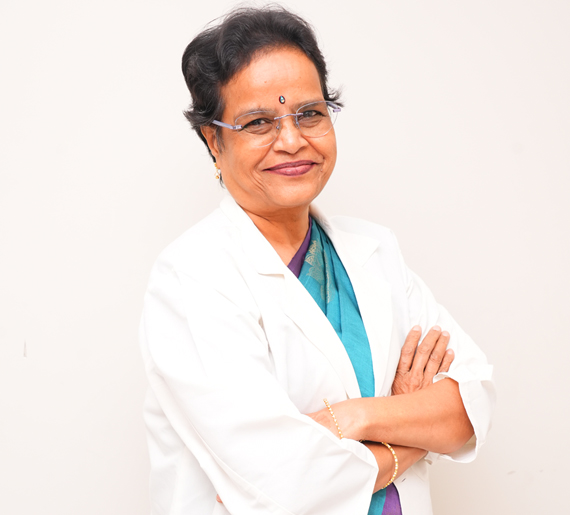
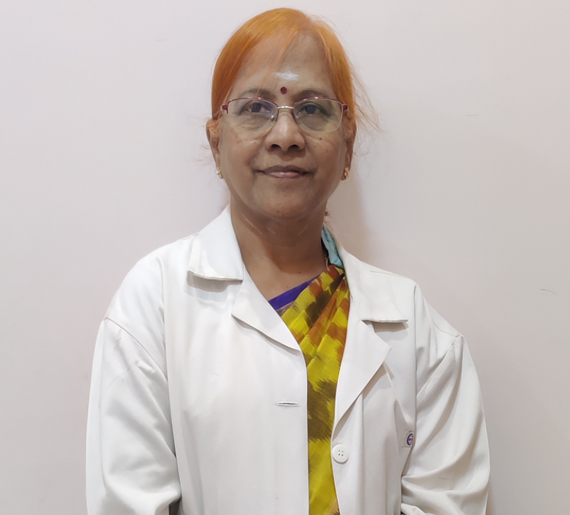
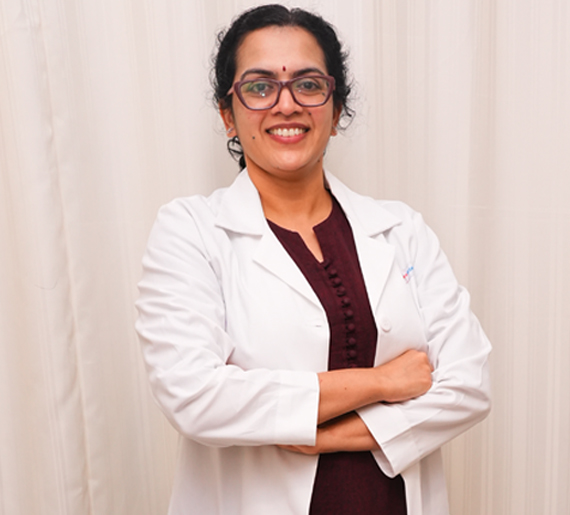
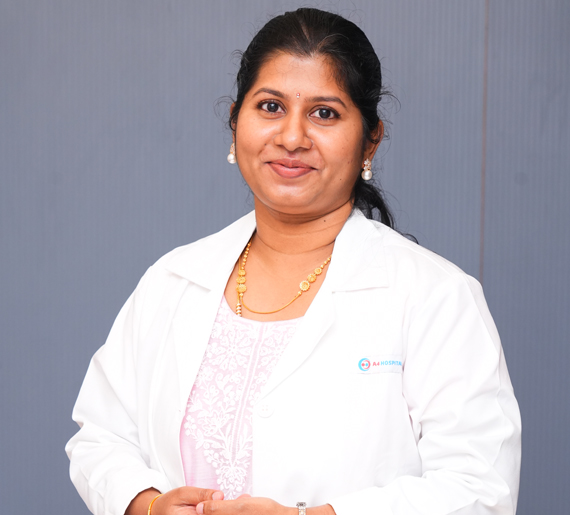
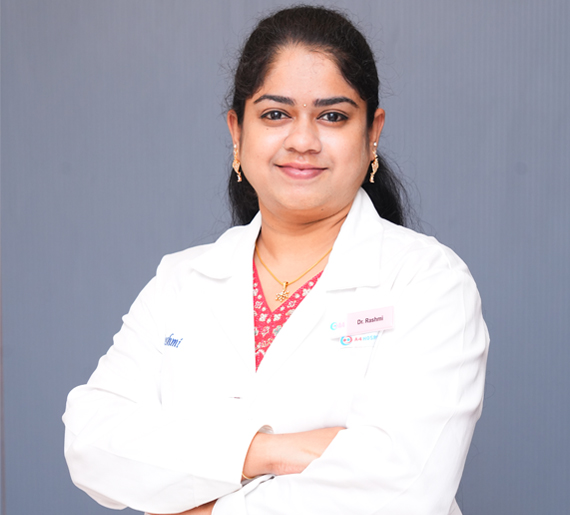
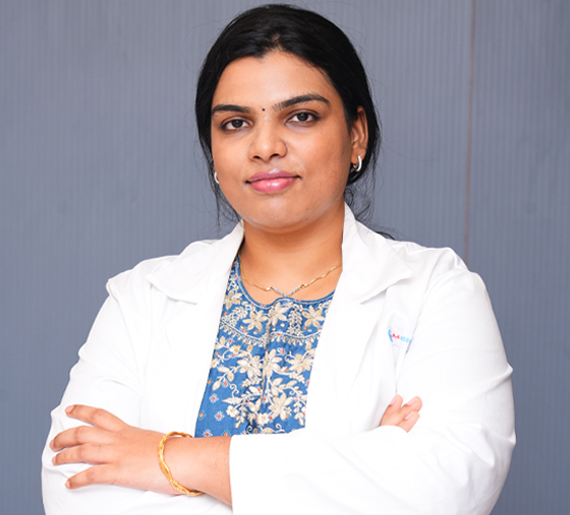
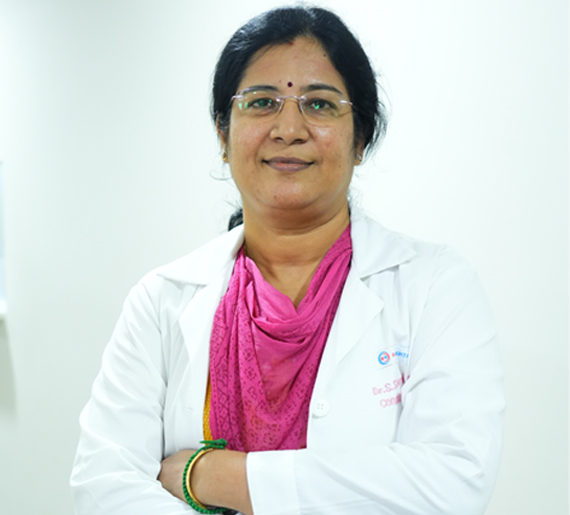
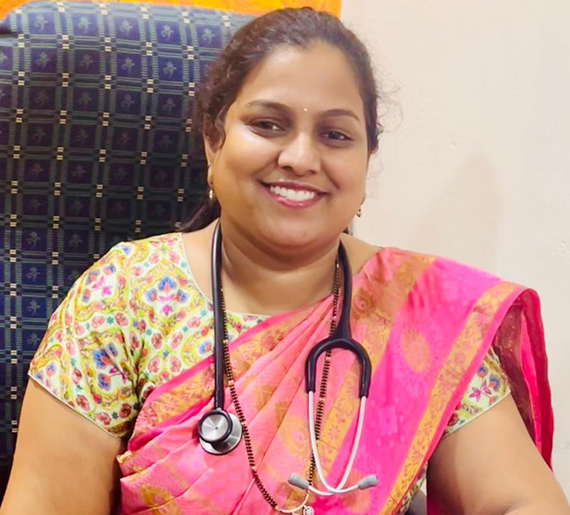
At A4 Hospital, our specialists provide accurate diagnosis, personalized treatment plans, and compassionate care for every patient.
“I was admitted for a D&C procedure due to my miscarriage. I did not experience any pain after the procedure. I felt very safe throughout my stay, and everyone was extremely kind. Every procedure was carried out smoothly and with great care. My special thanks go to Dr. Nithya Shyam—she was very kind and compassionate. I would also like to thank the entire team who took such good care of me. And Nurse Poongavanam was very kind, care and sweet. Thank you to her as well.”

Many women wait until they experience severe symptoms before scheduling an appointment. However, routine gynecological check-ups are an important part of preventive healthcare. You should consider consulting a gynaecologist if you experience:
Regular health check-ups can also help detect conditions before symptoms develop.
Choosing the right gynaecologist is an important decision for your long-term health. An experienced specialist offers:
Every woman has unique health needs. Treatment plans are tailored based on age, medical history, reproductive goals, and lifestyle.
Modern diagnostic techniques help identify gynecological conditions early, allowing timely treatment.
The best gynaecologists provide care for:
Menstrual Disorders : Irregular periods, heavy bleeding, painful menstruation, and absent periods can have several underlying causes. Early evaluation helps identify appropriate treatment options.
Polycystic Ovary Syndrome (PCOS) : PCOS is a common hormonal condition that may affect menstrual cycles, ovulation, fertility, and metabolism. Management often includes lifestyle modifications, medications, and regular follow-up.
Endometriosis : Endometriosis occurs when tissue similar to the uterine lining grows outside the uterus. Symptoms may include pelvic pain, painful periods, and infertility. Early diagnosis can improve symptom management and quality of life.
Uterine Fibroids : Fibroids are non-cancerous growths within the uterus that may cause:
Treatment depends on the size, location, symptoms, and reproductive plans.
Ovarian Cysts : Most ovarian cysts are harmless and resolve naturally, but some require monitoring or treatment depending on their size and appearance.
Vaginal Infections : Common vaginal infections may cause:
Cervical Health : Routine cervical screening plays an important role in detecting precancerous changes early. Your gynaecologist can recommend screening based on your age and risk factors.
Many gynaecologists also provide complete pregnancy care, including:
Regular prenatal care helps monitor the health of both mother and baby throughout pregnancy.
If you have been trying to conceive without success, a gynaecologist can perform an initial fertility evaluation and recommend appropriate investigations or refer you for advanced fertility treatment when needed.
Early fertility assessment may improve treatment planning and reproductive outcomes.
Menopause is a natural stage in a woman's life, but the symptoms can vary from person to person. A gynaecologist helps women manage this transition with personalized care and lifestyle guidance.
Treatment may include lifestyle modifications, nutritional advice, medications, or hormone therapy when appropriate and after careful medical evaluation.
Preventive care is one of the most important aspects of gynecology. Regular health check-ups can help detect many conditions early, often before symptoms appear.
Early detection often leads to better treatment outcomes and improved long-term health.
Depending on your condition, your gynaecologist may recommend diagnostic or therapeutic procedures. These may include:
Pap Smear : A Pap smear is a screening test used to detect abnormal cervical cells that could develop into cervical cancer if left untreated.
Colposcopy : A colposcopy allows the doctor to closely examine the cervix after an abnormal cervical screening result.
Hysteroscopy : Hysteroscopy is a minimally invasive procedure used to examine the inside of the uterus and diagnose conditions such as polyps, fibroids, or abnormal bleeding.
Laparoscopy : Laparoscopy is a minimally invasive surgical technique that helps diagnose and treat conditions including endometriosis, ovarian cysts, and certain fertility-related disorders.
Ultrasound Evaluation : Pelvic ultrasound helps assess the uterus, ovaries, endometrium, and other pelvic structures to aid diagnosis and treatment planning.
Many women visit a gynaecologist only when they experience symptoms. However, regular consultations provide several long-term health benefits.
Benefits include:
Your first appointment is an opportunity to discuss your health concerns in a confidential and supportive environment.
Your gynaecologist may ask about:
Depending on your symptoms, your doctor may recommend further investigations such as blood tests, pelvic ultrasound, or cervical screening.
Remember that you can ask questions and discuss any concerns openly. Good communication helps your doctor provide the most appropriate care.
Choosing the right gynaecologist involves more than finding someone nearby. Look for a doctor who combines clinical expertise with compassionate care.
Choose a specialist with recognized medical qualifications and experience in treating a wide range of women's health conditions.
A good gynecology practice should provide preventive care, pregnancy services, fertility evaluation, minimally invasive procedures, and menopause management under one roof whenever possible.
The best gynaecologists take time to understand your concerns, explain treatment options clearly, and involve you in decision-making.
Access to ultrasound, laboratory services, cervical screening, and advanced diagnostic procedures helps ensure timely and accurate diagnosis.
Patient reviews and recommendations can offer insights into communication, professionalism, and the quality of care provided.
Healthy lifestyle habits can support reproductive and overall health.
Small, consistent habits can contribute significantly to long-term women's health.
Women's healthcare needs evolve throughout life, making regular gynecological care essential for maintaining overall well-being. Whether you need preventive screening, pregnancy care, fertility evaluation, treatment for menstrual disorders, or menopause support, consulting the best gynaecologist in Chennai ensures you receive expert, personalized care.
An experienced gynaecologist focuses not only on treating existing conditions but also on preventing future health concerns through early diagnosis, education, and ongoing support. With compassionate guidance and evidence-based treatment, you can make informed decisions about your reproductive and general health.
Prioritizing regular gynecological check-ups is one of the best investments you can make in your long-term health.
The best gynaecologist is a qualified specialist who provides personalized care, has experience in managing a wide range of women's health conditions, and follows evidence-based medical practices.
You should visit a gynaecologist for routine check-ups, menstrual concerns, pregnancy care, fertility evaluation, menopause symptoms, pelvic pain, abnormal bleeding, or any reproductive health concerns.
The frequency depends on your age, medical history, and individual health needs. Your doctor can recommend an appropriate schedule based on your situation.
Yes. Gynaecologists diagnose and manage PCOS through lifestyle advice, medications, and ongoing monitoring tailored to your symptoms and reproductive goals.
A Pap smear is a cervical screening test used to detect abnormal cervical cells before they develop into cervical cancer.
Yes. A gynaecologist can perform an initial fertility evaluation, recommend investigations, and coordinate further fertility treatment if required.
Yes. Preventive check-ups can help detect conditions early, even when no symptoms are present.
Occasional changes can occur, but persistent irregular periods should be evaluated by a gynaecologist to identify any underlying cause.